About
- home
- About
Welcome to Transcend Education Tuition
Why Choose Transcend for your child's or pupils' tuition?
What's Different About Us?
Recent research into the science of learning has begun to change the way that the most effective teachers design their instruction (teaching) for their pupils.
Understanding How We Learn Is Key:
At Transcend, we have extensively researched ‘how pupils learn’. We understand the vital role our memory plays in the process of learning and we design our instruction so that pupils are not overloaded cognitively (when too much information is presented at once, our working memory finds it difficult to cope and this can result in poor learning – this is commonly referred to as cognitive overload).
We ensure that when information is taught to pupils it is broken down into manageable chunks and we continually check pupils for their understanding prior to presenting new knowledge; this allows children to move their learning forward more rapidly.
Meticulous When Planning For Progression
Tutors at Transcend are meticulous when planning for progression with their pupils. All our tutors sequence the learning so that it builds on the pupil’s prior learning.

Making Learning Stick!
At Transcend Education, pupils not only learn more but we also ensure that the learning is retained so that progress is rapid and attainment is boosted.
At Transcend Education, we believe that 'learning how to learn' in the most effective way is essential for optimal success.
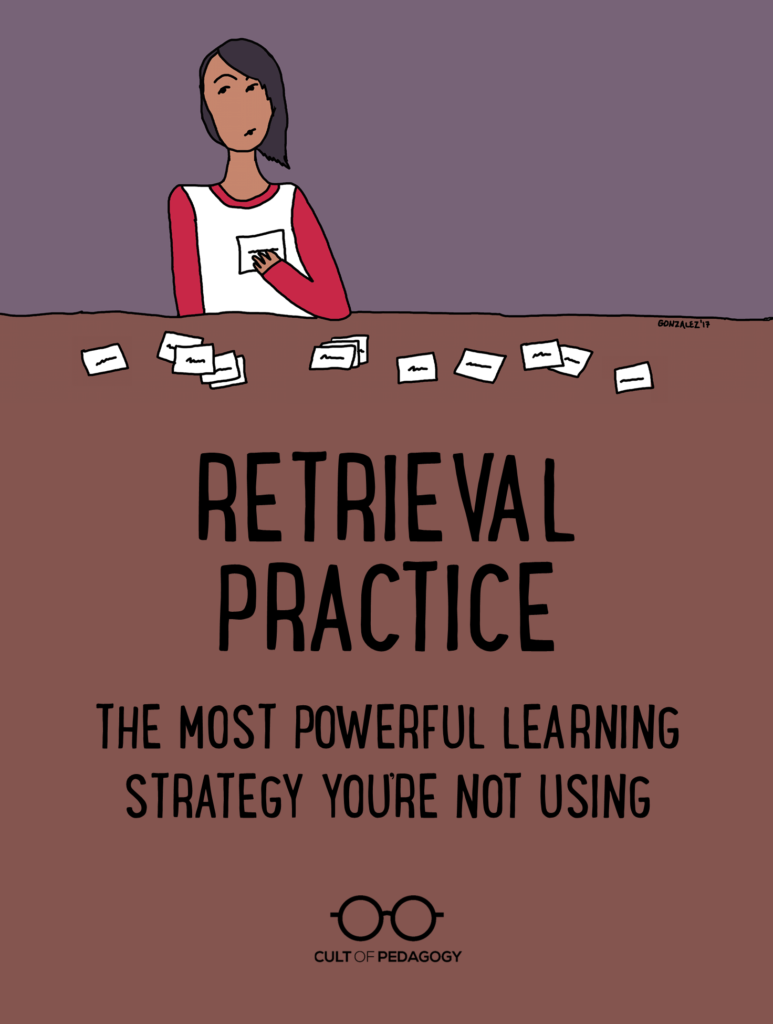
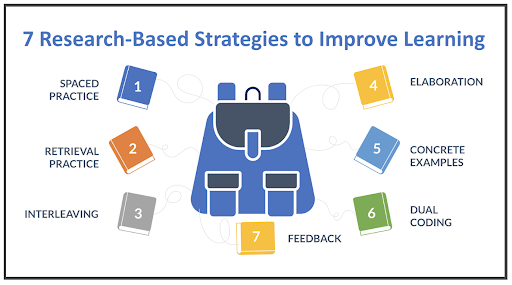
At Transcend, our tutors make use of learning strategies called ‘retrieval practice’ and ‘distributed practice’ which focus on giving pupils the opportunity to get the information out of their heads.
These strategies have been proven by cognitive scientists to improve long-term retention and boost achievement!
When schools think about learning, they tend to place most of the emphasis on cramming information into their pupils’ heads, but our pupils would benefit greatly from adopting strategies which focus on getting information out of their heads for whenever they need it (for example in low-stakes tests and later end of year examinations). Furthermore, meaningful learning is about making connections with prior learning and developing mental models which are commonly referred to as schemas in cognitive science.
In fact, research tells us that when we are trying to learn new material then the almost universal strategies of re-reading and/or highlighting our notes are, in fact, two of the least effective strategies for learning.
What is Retrieval Practice?
Retrieval Practice, which is sometimes referred to as ‘practice testing’ is the act of calling information to mind rather than re-reading or hearing it again. The idea is to produce an effort from within to induce better retention. The great thing about retrieval practice is:
- It comes at no extra cost and does not require any additional resources.
- It identifies what you don’t know so allows you to study smarter.
- It can boost achievement and aid long-term retention when combined with appropriate feedback.
Research tells us that the act of retrieval (calling information to mind) strengthens our memory for that learning and we are less likely to forget it.
Distributed Practice
Distributed Practice, which is sometimes referred to as ‘spaced practice’ involves taking a given amount of time devoted to learning and arranging that time into multiple sessions that are spread over time. Research has demonstrated that both retrieval and distributed (spaced) practice are very powerful tools for learning.
